
How to Become a Sports Equipment Distributor in India — Complete Guide 2026

The India cricket equipment market is valued at USD 700 million in 2026 and is projected to grow to USD 1.27 billion by 2034 — a compound annual growth rate of nearly 7 percent. Tier 2 and Tier 3 cities across India are reporting over 15 percent year-on-year growth in organised sports goods retail. The T20 World Cup 2026, IPL 2026, and a generation of cricket-obsessed young Indians are driving demand to levels the industry has never seen before.
If you have ever thought about becoming a sports equipment distributor in India — this is the best time in history to start. The market is growing, the competition outside major metros is thin, and the entry barriers are lower than you think.
At Jai Hind Sportsline, based in Bhubaneswar, Odisha, we work with distributors and wholesale buyers across India. This is the complete guide to how the sports distribution business works in India — and how you can build a profitable business in it.
Why Sports Equipment Distribution is a Genuine Business Opportunity in India Right Now
Several powerful forces are converging in 2026 to create the best distribution opportunity the Indian sports market has ever seen:
1. The IPL and T20 Effect
The Indian Premier League has done something unprecedented — it has turned cricket from a seasonal sport into a year-round obsession. With IPL running from March to May, followed by domestic T20 tournaments, followed by international series, followed by the T20 World Cup — there is no off-season for cricket equipment sales in India anymore. Distributors who are positioned correctly are seeing sales every month of the year.
2. Tier 2 and Tier 3 City Boom
Cities like Bhubaneswar, Cuttack, Rourkela, Berhampur, Sambalpur, Ranchi, Patna, Nagpur, Kanpur, and hundreds of others are seeing explosive growth in organised sports retail. According to the Ministry of Commerce and Industry, these cities are reporting over 15 percent year-on-year growth in sports goods retail outlets. Yet most of them are massively underserved — local shops stock limited brands at high margins, and consumers are desperately looking for better options.
3. Online Commerce Making Distribution Simpler
Ten years ago, being a distributor meant renting warehouse space, employing sales staff, and managing complex logistics. In 2026, a distributor can operate from a single room, take orders on WhatsApp, and ship via courier aggregators like Shiprocket, Delhivery, or DTDC. The infrastructure that used to cost lakhs per month now costs almost nothing.
4. The Tennis Ball Cricket Explosion
Tennis ball cricket is the fastest-growing format of cricket in India. It requires no expensive leather ball, no proper pitch, and no full protective gear. Every gully, school, college, and corporate office in India has a tennis ball cricket team. The demand for quality tennis bats, keeping gloves, and cricket accessories in this segment alone is enormous — and it is growing every year.
Types of Sports Equipment Distributors in India
Before you start, understand the different levels of the distribution chain:
Super Stockist
The highest level of distributor. Super stockists purchase directly from manufacturers or brand principals in large volumes — often lakhs of rupees per order. They supply to sub-distributors and wholesalers across a large geography like an entire state. High capital requirement, high returns. This is a long-term goal, not a starting point.
Regional Distributor
Regional distributors cover a specific district or city. They buy in bulk from super stockists or directly from brands, store the inventory, and supply to local retailers, sports shops, and direct customers. Capital requirement is moderate — typically Rs 1 lakh to Rs 5 lakh to start seriously. This is the most common entry point for serious distribution businesses.
Wholesale Buyer / Reseller
The easiest entry point. Wholesale buyers purchase products in minimum quantities — typically 20 to 50 units per product — at a discounted price and sell them to end customers, small retailers, cricket clubs, schools, and academies at a markup. Very low capital requirement. You can start with Rs 10,000 to Rs 50,000 and test the market before scaling.
Institutional Buyer
Institutional buyers supply to specific organisations — schools, cricket academies, corporate sports clubs, state cricket associations, and government sports departments. This is a B2B model with larger order sizes and lower margins but very predictable, repeat business.
What Products to Distribute — The Most Profitable Categories
Not all sports products are equal from a distribution perspective. Here is what moves fastest and generates the best margins in India:
Tennis Cricket Bats — Highest Volume, Fastest Moving
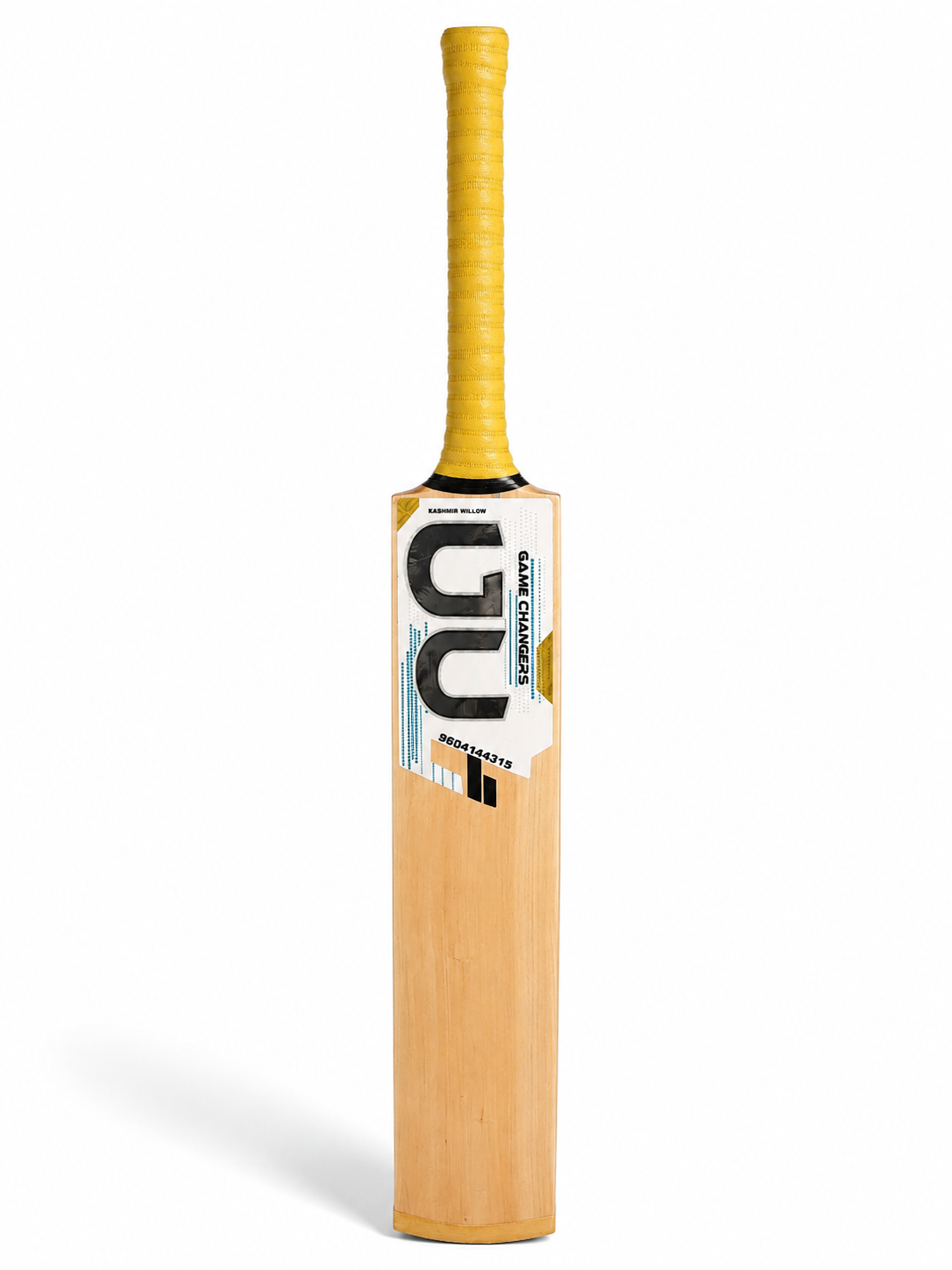
Tennis bats are the single best product to start with for any sports distributor in India. They are used across every age group, every economic segment, and every part of the country. They do not expire, do not require special storage, and have strong seasonal peaks during IPL and World Cup season that create predictable revenue spikes.
The most in-demand tennis bat brands for distribution in India right now:
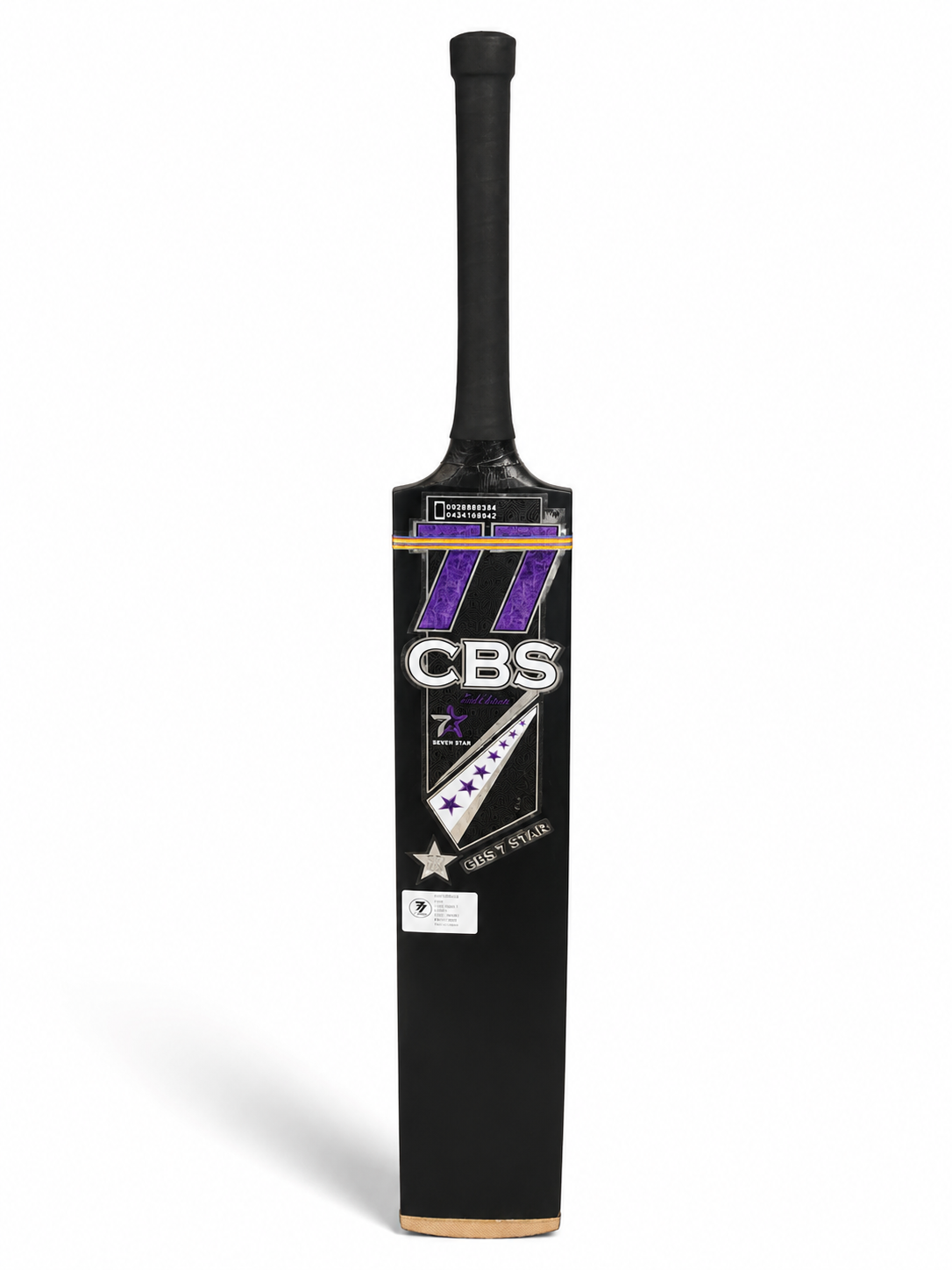
77 Sports CBS Edition Tennis Bat — the most popular tournament tennis bat in India. Every serious local tournament player knows this bat.
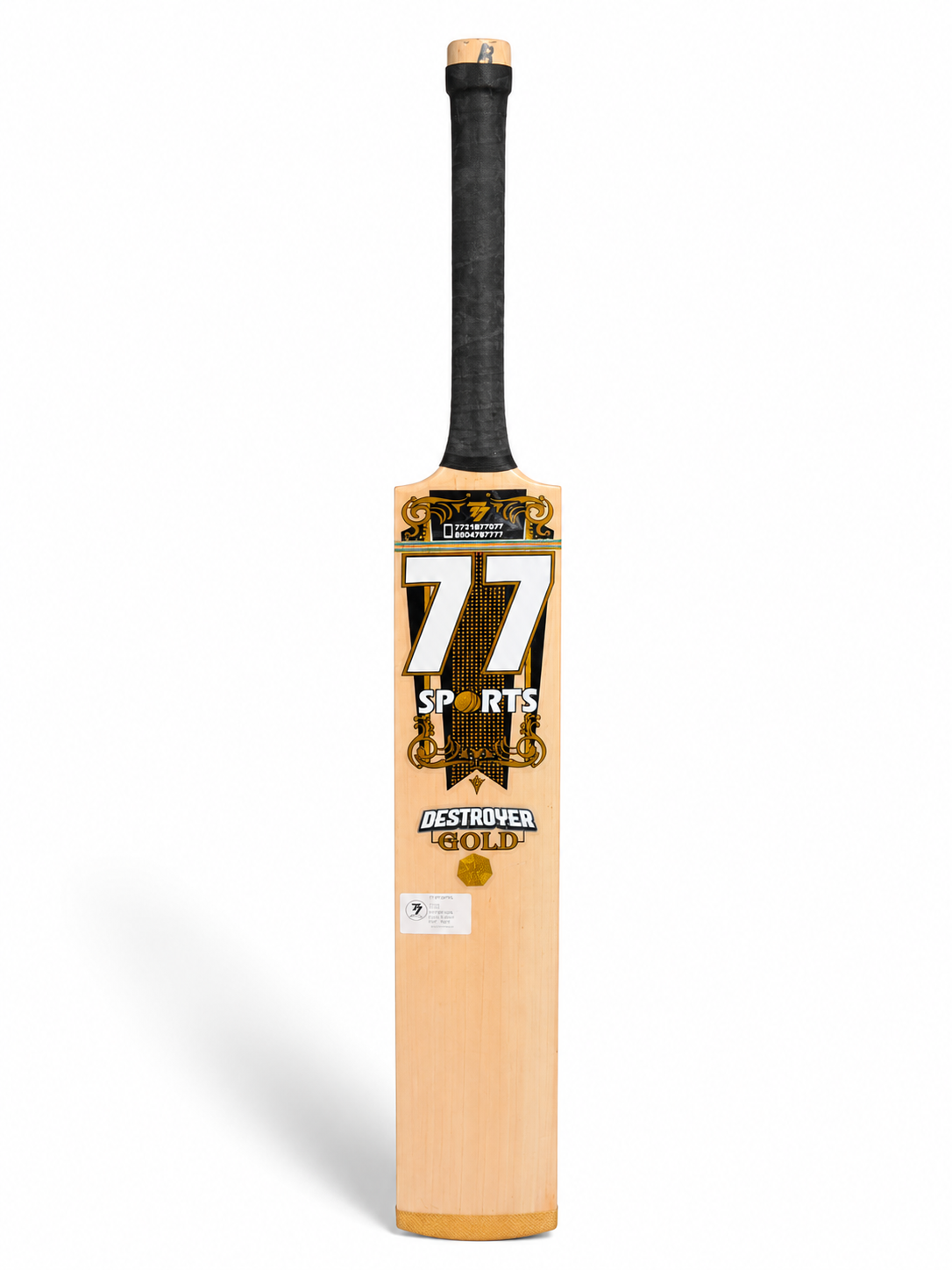
77 Sports Destroyer Gold Tennis Bat — the premium power hitter's choice. Commands a higher price point and strong margins.
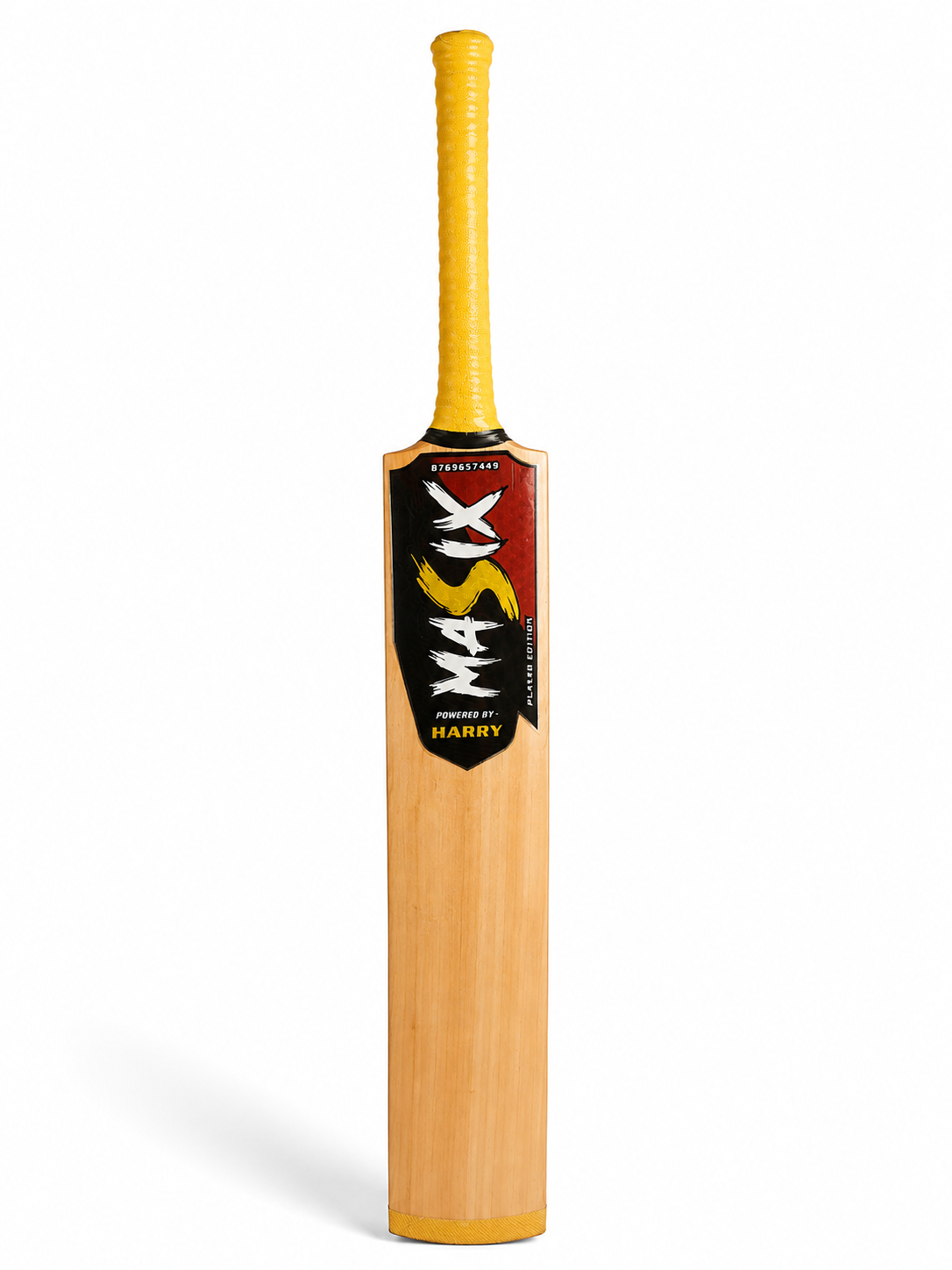
MASIX Tennis Bat — excellent all-round tournament bat with strong repeat purchase rates.
7T Tennis Bat — best value-for-money tournament bat. Moves fast in Tier 2 and Tier 3 markets.
Wicket Keeping Gloves — Consistent Demand, Good Margins
Every cricket team needs a wicket keeper and every keeper needs gloves. Keeping gloves have consistent year-round demand and are replaced more frequently than bats.
SG SHIELD Wicket Keeping Gloves — trusted by serious club cricketers. SG's 90-year heritage makes these an easy sell.
MRF Wicket Keeping Gloves — premium brand associated with Sachin and Kohli. Commands strong pricing.
Badminton Rackets — Year-Round Non-Seasonal Demand
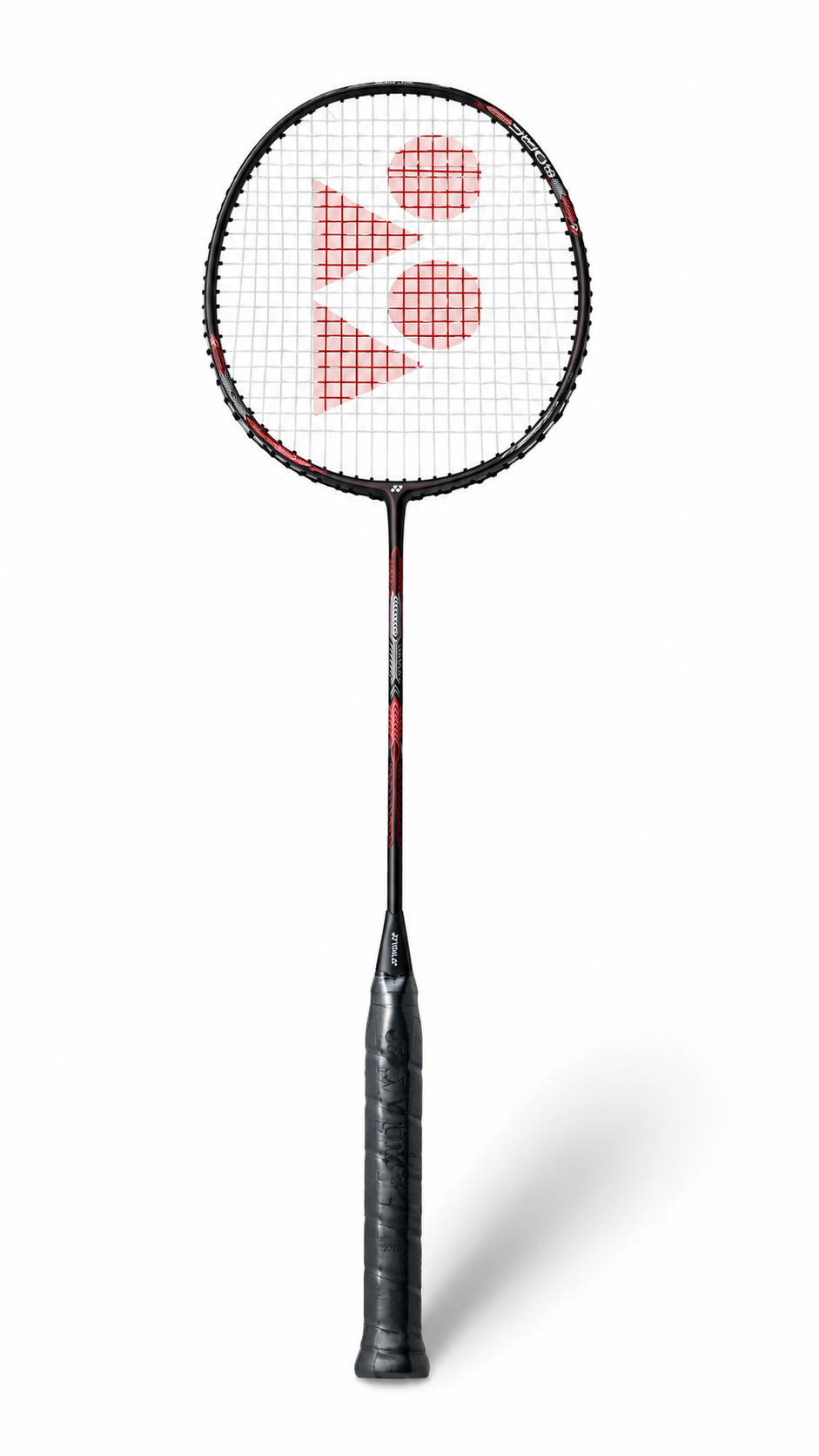
Badminton is India's second most popular racket sport and unlike cricket, it has no real off-season. The YONEX Nano Ray 72 is a trusted name that sells consistently throughout the year to schools, colleges, badminton clubs, and individual players.
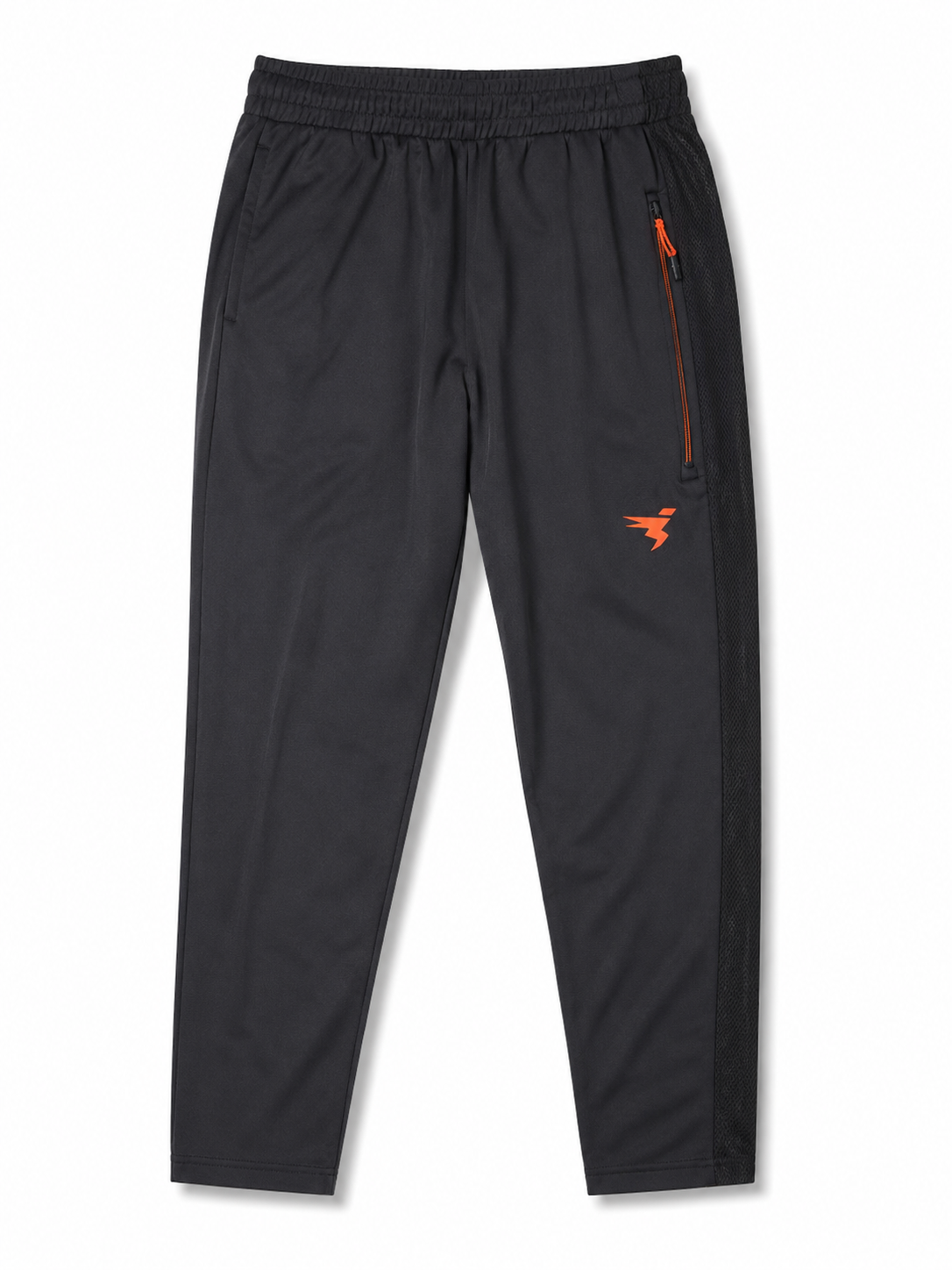
Sports Wear — PUMA, Adidas, TECHNOSPORT
Sports wear is one of the highest-margin categories in sports distribution. Premium brand sports wear — especially PUMA and Adidas — commands significant retail prices with healthy distributor margins. TECHNOSPORT is particularly strong in the affordable premium segment and has excellent brand recognition among young Indian sports consumers.
PUMA T-Shirt — instant brand recognition, strong sell-through in any market.
How to Start as a Sports Equipment Distributor — Step by Step
Step 1 — Choose Your Territory
Start with your own city or district. You have existing networks, local knowledge, and credibility. A distributor who knows every sports shop, cricket club, and academy in their city is worth ten times more than someone trying to cover an entire state from day one.
The most underserved distribution territories in India right now are Tier 2 and Tier 3 cities — places like Bhubaneswar, Cuttack, Rourkela, Berhampur, Ranchi, Patna, Nagpur, Indore, Coimbatore, and Vijayawada. If you are in any of these cities, you are sitting on a gold mine.
Step 2 — Identify Your Customer Segments
Local sports retail shops — the easiest first customers. They need stock and will buy if your pricing and reliability are good.
Cricket clubs and academies — buy in bulk at the start of every season. One club order can equal 20 to 30 individual retail sales.
Schools and colleges — institutional buyers who buy annually in bulk. Longer sales cycle but very reliable repeat business.
Corporate cricket teams — growing rapidly in every city. They buy complete kits including bats, gloves, and sports wear.
Direct customers — individual players who buy from you directly via WhatsApp or social media. High margin, no middleman.
Step 3 — Partner with the Right Supplier
Your supplier relationship is the foundation of your distribution business. You need a supplier who offers genuine wholesale pricing, a reliable product range across multiple categories, consistent stock availability, flexible minimum order quantities to help you start small, and responsive communication.
Jai Hind Sportsline works with distributors across Odisha and India. We offer special wholesale pricing on all our products across cricket bats, keeping gloves, badminton rackets, and sports wear. Our distributor program is designed for serious wholesale buyers who want a reliable long-term supply partner.
To apply to become a Jai Hind Sportsline distributor email us at jaihindsportsline@gmail.com or WhatsApp 7978989660 with your name, city, and the product categories you are interested in.
Step 4 — Set Up Your Sales Channels
WhatsApp Business — set up a WhatsApp Business account with your catalogue of products and prices. This is where the majority of B2B sports equipment sales happen in India today. Simple, fast, and trusted.
Instagram — post product photos, cricket content, and offers. A distributor with 1,000 local followers on Instagram can generate significant direct sales without any advertising spend.
Physical visits — visit local sports shops, cricket academies, and schools with samples. Face-to-face selling still closes the biggest deals in distribution.
Local tournaments — sponsoring or partnering with local cricket tournaments is one of the best ways to get your products in front of buyers. Offer to supply the tournament bats at a discounted rate in exchange for your brand visibility.
Step 5 — Manage Your Inventory and Cash Flow
The biggest mistake new distributors make is buying too much stock too early. Start lean — buy minimum quantities of your top 3 to 5 products, sell them, reinvest the profit into larger orders. Never tie up more than 60 percent of your working capital in inventory.
Track every sale and payment. Use a simple spreadsheet or a free app like Vyapar or OkCredit to track your stock levels, customer payments, and profitability.
How Much Can You Earn as a Sports Distributor in India?
Typical distribution margins in sports equipment in India:
Cricket bats — distributor margin of 20 to 35 percent over cost. On a Rs 3,000 bat you make Rs 600 to Rs 1,050 per unit.
Keeping gloves — distributor margin of 25 to 40 percent. Strong margins for trusted brands like SG and MRF.
Badminton rackets — distributor margin of 20 to 30 percent. Year-round demand makes this a very stable income stream.
Sports wear — distributor margin of 30 to 50 percent on premium brands. The highest-margin category in sports distribution.
A distributor starting with Rs 50,000 of working capital, selling across 10 to 15 retail accounts in their city, and running direct sales through WhatsApp can realistically generate Rs 30,000 to Rs 60,000 per month in gross margin within 6 to 12 months. Distributors who build institutional accounts with schools and academies scale significantly faster.
Common Mistakes New Sports Distributors Make — And How to Avoid Them
Over-investing in inventory before building customers — always sell before you stock. Get orders first, then buy.
Choosing too many product categories — start with 2 to 3 categories maximum. Master them before expanding.
Ignoring payment terms — always agree on payment terms before delivering. COD for new customers, credit only for established accounts.
Underpricing to win business — competing on price alone destroys margins. Compete on reliability, product quality, and service instead.
Not building a digital presence — distributors who are active on WhatsApp and Instagram generate 3 to 5 times more leads than those who rely only on physical visits.
Apply to Become a Jai Hind Sportsline Distributor
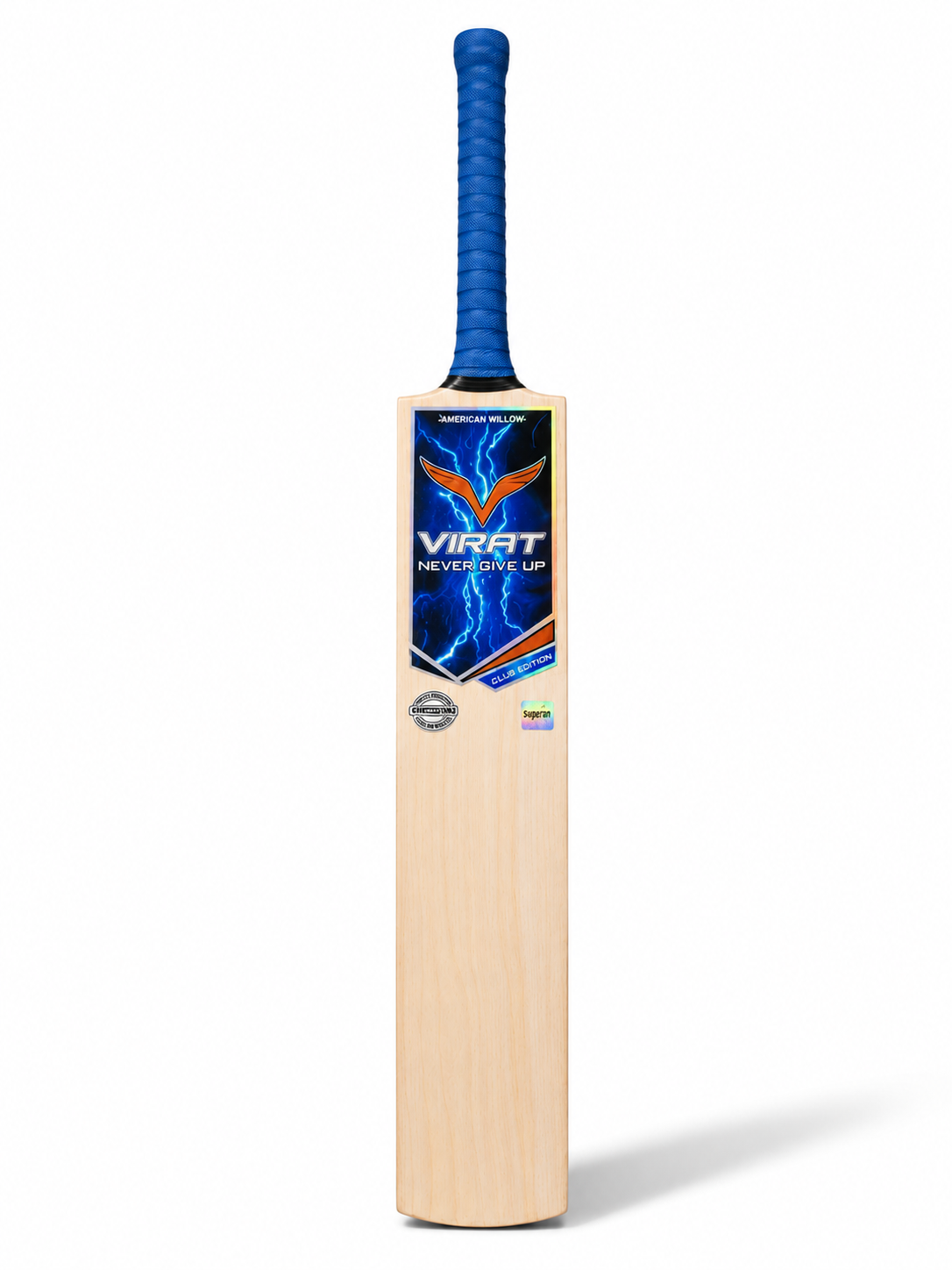
Jai Hind Sportsline is actively looking for serious wholesale buyers and distributors across Odisha and India. We supply cricket bats, wicket keeping gloves, badminton rackets, and premium sports wear from brands including 77 Sports, MASIX, VIRAT, SG, MRF, YONEX, PUMA, ADIDAS, and TECHNOSPORT.
What we offer our distributors:
Special wholesale pricing significantly below retail on all products.
Flexible minimum order quantities — designed for distributors at every stage from just starting out to established regional wholesalers.
Reliable stock availability — we maintain inventory to ensure your orders are fulfilled consistently.
Dedicated support — direct WhatsApp communication with our team for fast order processing and query resolution.
A growing product catalogue that we update regularly with new brands and categories.
To apply, email us at jaihindsportsline@gmail.com or WhatsApp us at 7978989660 with your name, city, business name if applicable, and the product categories you are interested in. Or visit our distributor portal at jaihindsportsline.com to browse our complete range.
The sports equipment market in India is growing faster than it ever has. The distributors who build their businesses now — in 2026 — will be the ones who dominate their local markets for the next decade. This is your moment.


Comments